Residents encouraged to comment on draft local neighbourhood plan for Salt River, Woodstock
11 September 2023
The City of Cape Town is calling on residents to comment on the draft local spatial development framework (LSDF), or neighbourhood plan, for Woodstock and Salt River, inclusive of University Estate and Walmer Estate. The LSDF is intended to revitalise the area by addressing key challenges and building on its unique strengths. This is the ideal opportunity to have your voice heard. The closing date for submissions is 11 November 2023. The City also intends to host an open house meeting; the details will be announced closer to the time.
A local spatial development framework, or LSDF, determines the development vision for an area on a local level. The City uses the LSDF for guidance when making decisions about development applications and land uses; and in the end, these decisions very much determine what a neighbourhood will look and feel like a few years down the line.
'The City started the LSDF process in 2019 already. We hosted three meetings with the local Neighbourhood Development Forum for Woodstock and Salt River in 2022, and then, in April and May this year, we hosted open house sessions where residents and stakeholders had the opportunity to help refine the LSDF that is now available for comment. Thus, this draft neighbourhood plan is the product of the collaboration between the City and the residents and stakeholders. I want to thank all of those who participated and contributed. You expressed a strong sense of optimism and hope at these sessions, and we note that you want to retain the inclusionary and social diversity of the area where people from different backgrounds are welcomed.
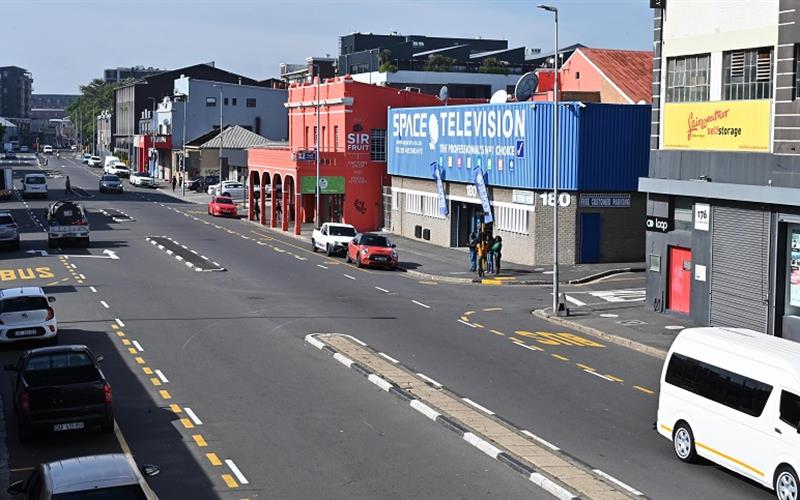
'We are now approaching the final stages of this process, and once again, I want to call on the local community to submit comments, and make your voice heard. In the end, this will be your plan for your neighbourhood,' said the City's Deputy Mayor and Mayoral Committee Member for Spatial Planning and Environment, Alderman Eddie Andrews.
Woodstock and Salt River experienced major changes over the past decade. These changes are partly because of the neighbourhood's proximity to the Cape Town central business district and associated private investment, the impact of the Covid-19 pandemic on the local economy, as well as the City's intention to create affordable housing opportunities that will see new families moving into the neighbourhood.
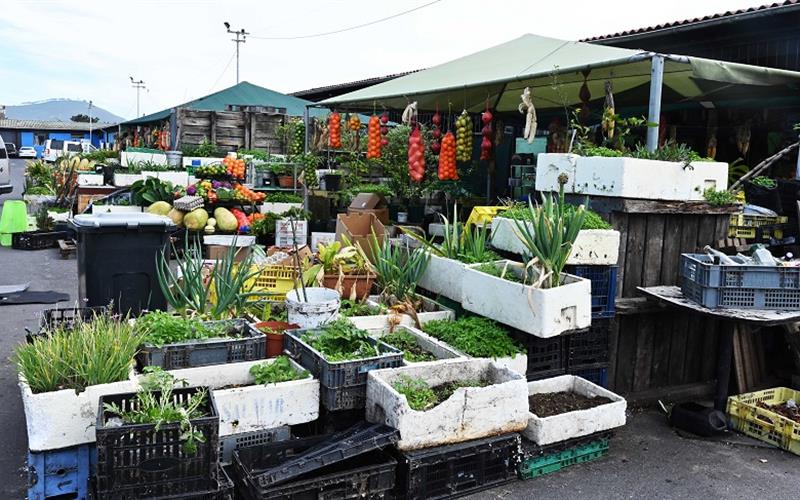
The draft LSDF for Woodstock and Salt River identifies key priorities, strengths, weaknesses, and opportunities, among which:
- the need to re-establish this unique neighbourhood
- to strengthen the sense of belonging and place through protecting and enhancing the area's heritage value and resources
- to grow as a multi-cultural and integrated community
- to maintain a significant volume of affordable rental units and encourage the provision of affordable units in private residential developments
- to support and enable the delivery of state housing
- revitalise and restore public open spaces and parks that have been neglected
- stimulate the local economy and job creation through an appropriate spatial development vision
- support tourism, and enhance destination places and heritage resources
- encourage a more compact form of development, attract more activity, and increase densities where possible, and
- to integrate and connect Woodstock and Salt River with the surrounding areas of District Six, Table Mountain National Park, and the Cape Town CBD
The neighbourhood consists of 10 precincts, each with its own characteristics and functions, and as such, the draft LSDF proposes guidelines for every precinct:
- Albert Road, Market Road and Salt River Station precinct
- Victoria Road precinct
- Trafalgar Park and Lower Chapel Street precinct
- Walmer and University Estate precinct
- Salt River Residential precinct
- Salt River Mixed-use precinct
- V&A Housing precinct
- Station and Industrial Mixed-use precinct
- Roodebloem/Mountain Road Mixed-residential precinct
- Transnet precinct
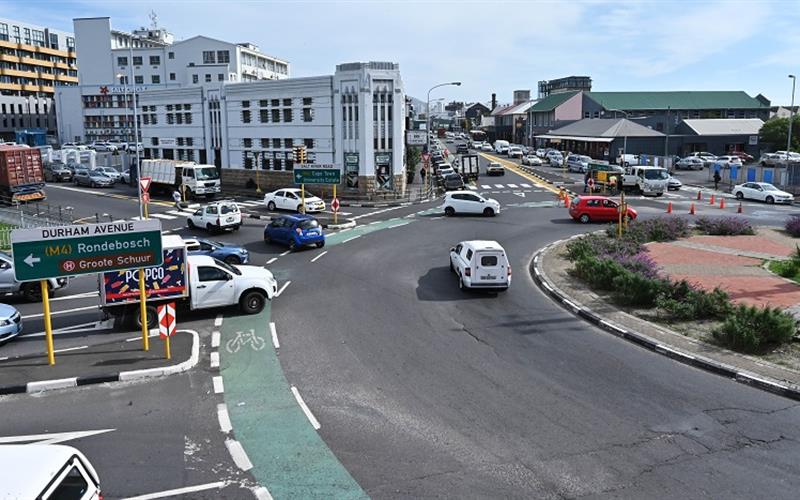
The future growth of Salt River and Woodstock must take into account:
- A diverse mix of land uses
- The Heritage Protection Overlay Zone affecting extensive parts of the area
- The historical routes of Albert Road and Victoria Road
- Key tourism attractions such as Trafalgar Park, Woodstock Cave, street art, fashion and creative hubs, food and entertainment
- Its topography with some parts 136m above sea level on the steeper slopes and 4m above sea level on the flatter parts
- Its accessibility through Main Road and Voortrekker Road, and the convergence of major passenger rail lines
- Affordable housing for a growing and diverse community with varying income levels and household sizes
- Transit-oriented development along main roads, at public transport stations and stops
- The need for safe walking and cycle routes
- The need for social and public facilities, and public spaces to support residential growth
The purpose and intention of an LSDF for Woodstock and Salt River:
- to guide the City's decisions on the type of developments that should happen, and how land should be used
- create certainty for public and private investors
- formulate a development vision of what these area should look like in future
- develop and promote the tourism industry to help stimulate sustainable economic growth
- promote the area as a high quality tourist destination, in addition to other existing industries
- promote partnerships to strengthen the local economy
How to comment:
- The draft LSDF is available on the City's website, and comments can be submitted online, at: www.capetown.gov.za/HaveYourSay
- Submit applications by hand at the Woodstock Public Library in Aberdeen Street
- The closing date for comments is 11 November 2023
- For more information, send an email to WSR.LSDF@capetown.gov.za
The comments will be used to further refine and finalise the draft LSDF and thereafter it will serve before Council for approval.
The Woodstock and Salt River LSDF elaborates on and supports the spatial development guidelines as set out in the Table Bay District Spatial Development Framework, which is a higher order plan for the greater Table Bay area that includes Woodstock and Salt River.
End
Published by:
City of Cape Town, Media Office